
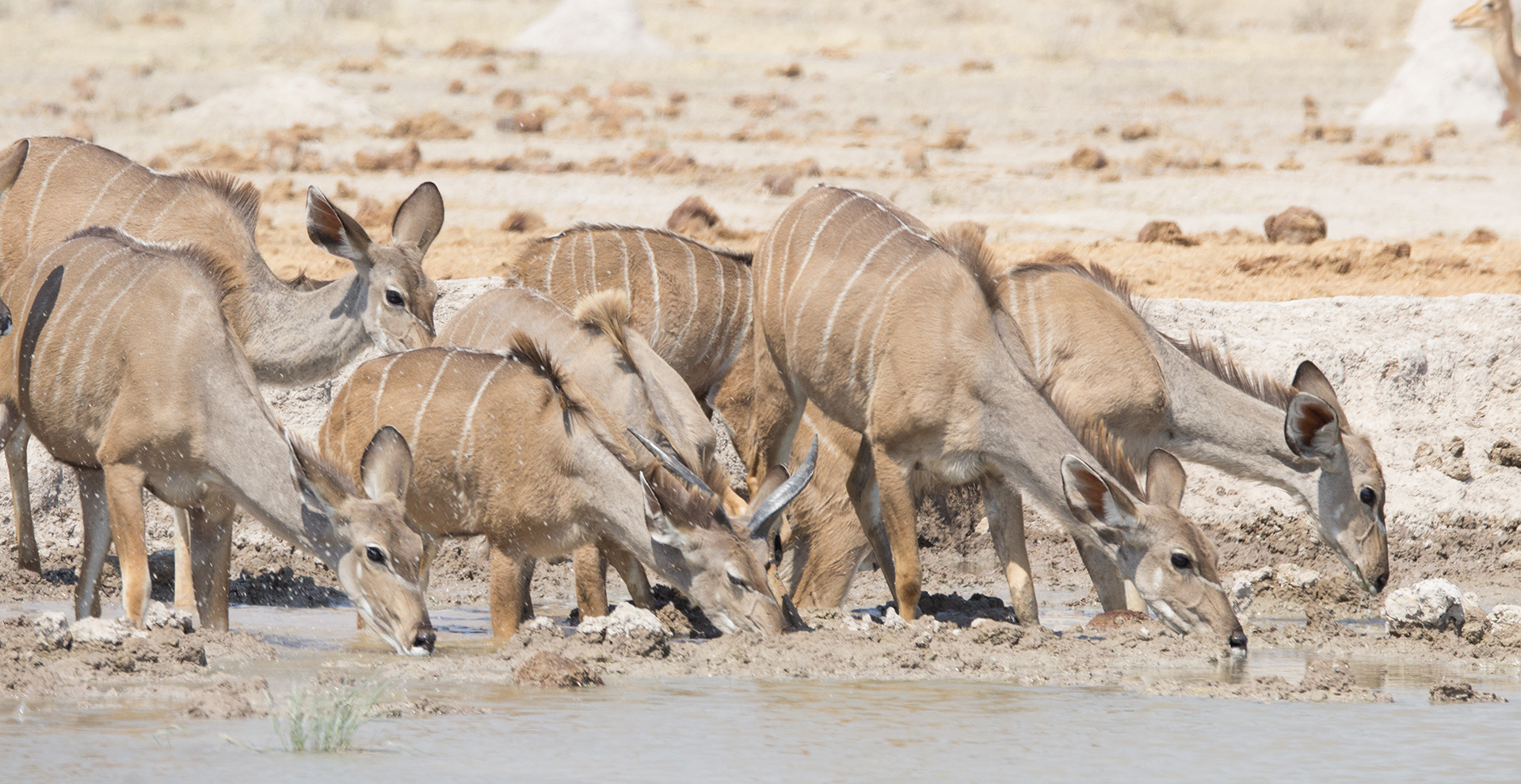
It looks like "Nxai pans" is referring to **Nxai Pan National Park** (sometimes stylized as Nxai Pans), a stunning wildlife reserve in northeastern Botswana. This vast, ancient landscape is part of the larger Makgadikgadi Pans complex and offers a dramatic contrast of salt flats, grassy plains, and iconic baobab trees. If that's not what you meant (maybe a typo for something else?), feel free to clarify—I'm here to dig deeper!
Quick Overview
- Location: North-eastern Botswana, just north of the Maun-Nata road, bordering Makgadikgadi Pans National Park.
- Size: Approximately 2,578 km² (about 996 square miles).
- Formation: A fossil lake bed from the prehistoric Lake Makgadikgadi, which dried up over 2 million years ago. It's dotted with umbrella acacias and features two main pans: Nxai Pan and Kudiakam Pan.
The name "Nxai" comes from the San (Bushmen) people, possibly referring to a curved stick used for hunting springhares or simply meaning "pan."
Must-See Highlights
- Baines’ Baobabs: A cluster of seven ancient baobab trees (some over 4,000 years old), named after 19th-century explorer Thomas Baines who sketched them. They're on a small island in the pan—perfect for sunrise photos and evoking an otherworldly African savanna.
- The Waterhole: A central grassy plain with short acacia trees; it's a magnet for animals and offers elevated hides for viewing.
- Migration Route: Links to Okavango Delta and Hwange National Park, drawing nomadic herds.
This park feels like the "Serengeti of Botswana" but with fewer crowds—ideal for authentic safaris. If you're planning a trip, it's part of the Kalahari salt pans circuit and pairs well with nearby reserves. Got questions on bookings, itineraries, or even a virtual tour? Let me know!